April Edition

Hello everyone, hope you have been having a lovely Easter weekend morning! If you find yourself on the roster, then just know you are not alone and hope the c/s stay away, the Ortho books spinals and that appendix ate. Otherwise please enjoy this time with family and forget those diets for just a weekend ? Those studying for orals I wish you well and know the end of this journey is almost here.
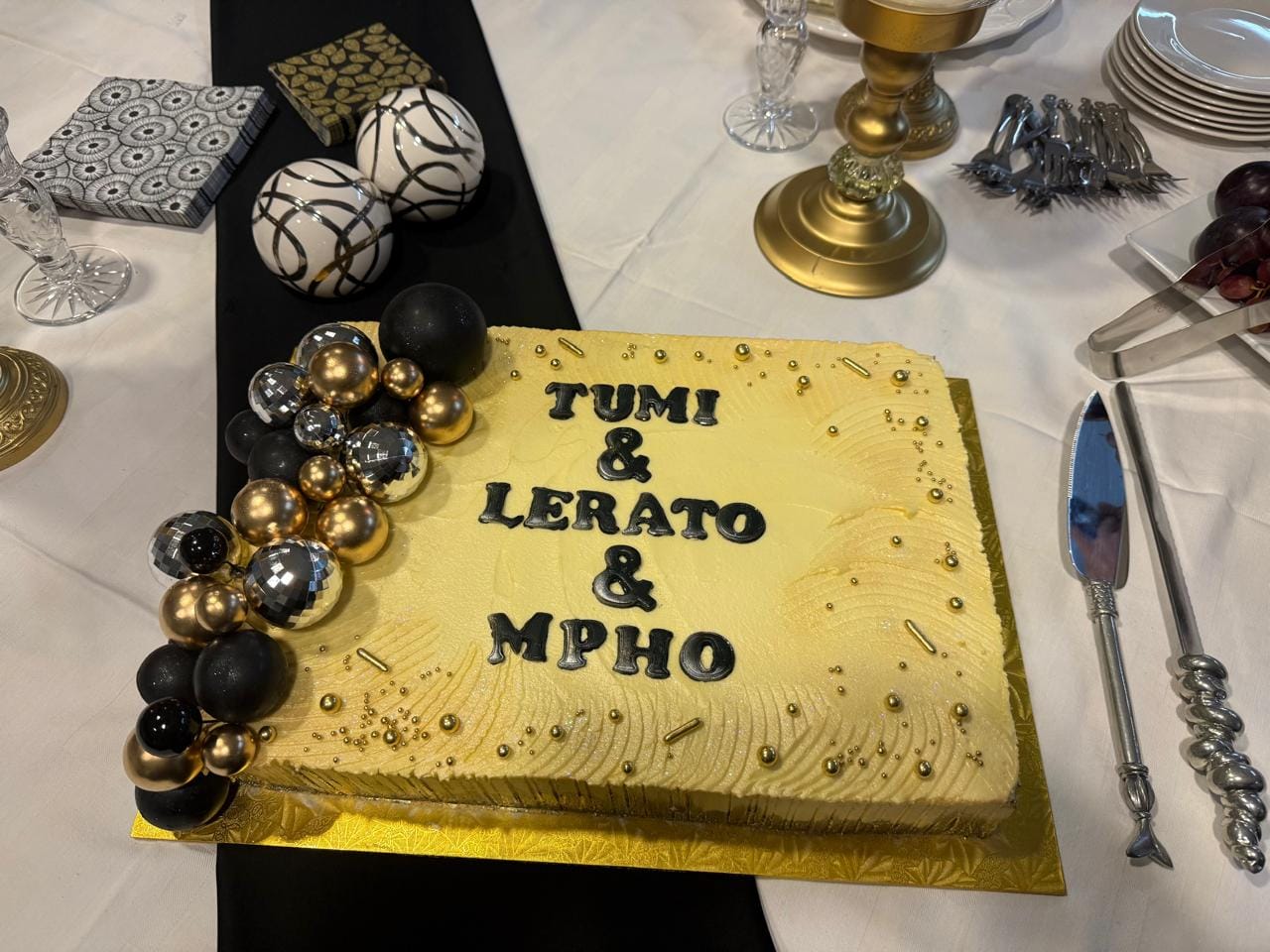
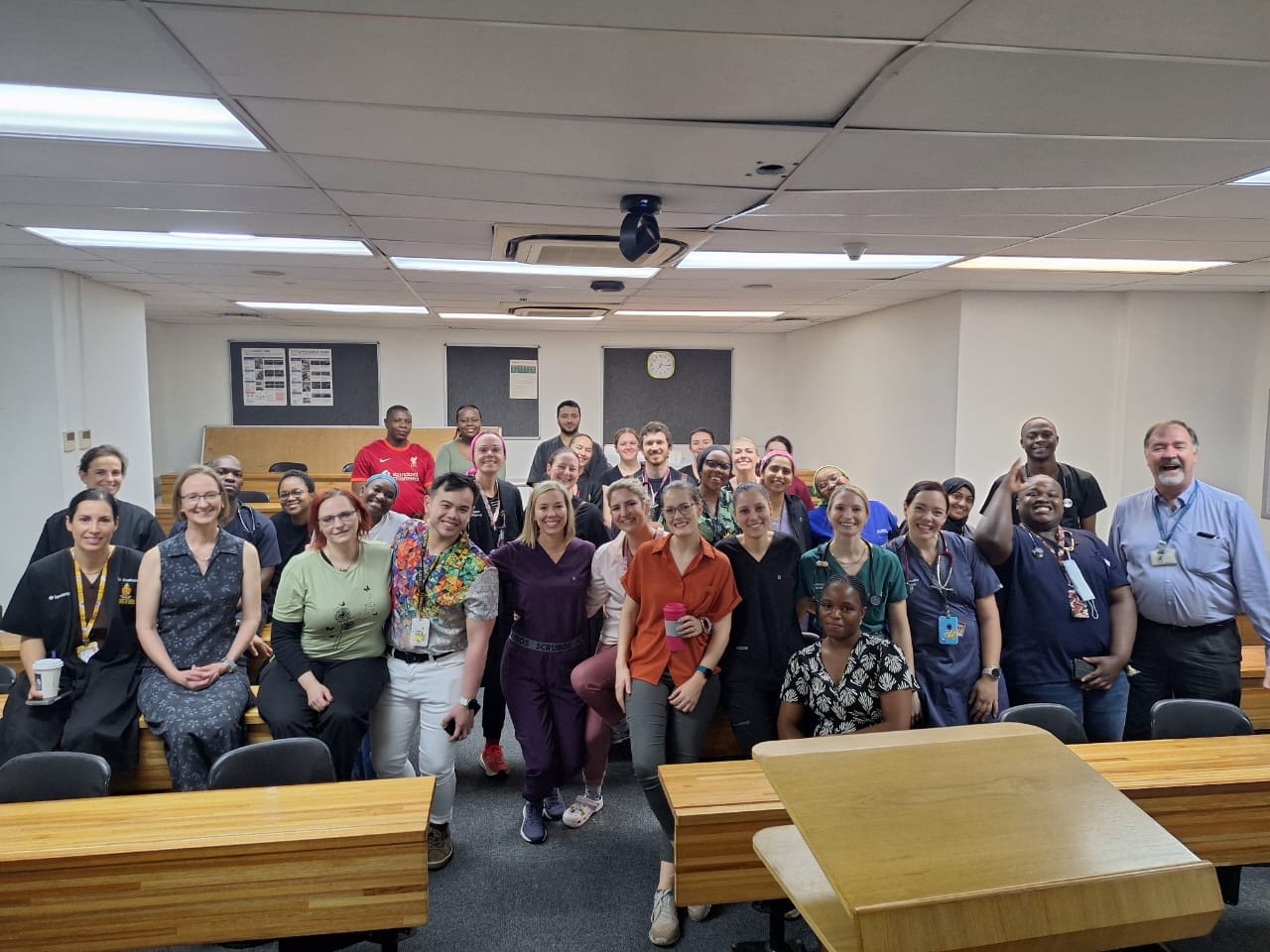
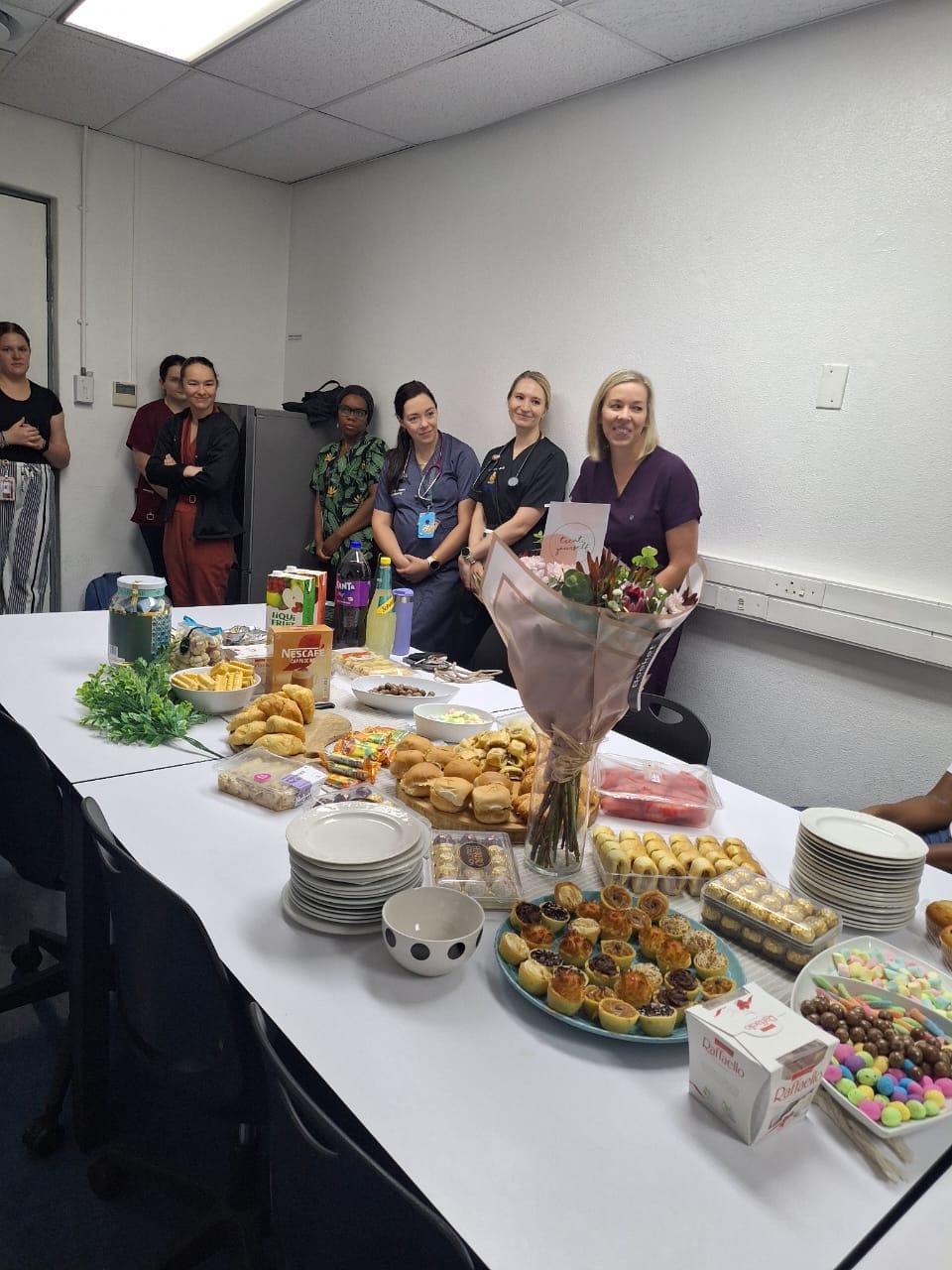
A lot of changes have been on the go in our department but mostly bitter sweet ones. Kalafong said a hopefully temporary goodbye and good luck to Dr Tlhake and Dr Ramatlotlo. Those at the farewell could see how appreciated both professionally and socially these two were. Some of us only knew them for a short time but still the impact was there. The halls of Kalafong are much quieter at the moment To say the least. Sadly, Dr Tsheisi is finishing up her registrar time and will be leaving us at the end of April. She has been a rock at Kalafong, always smiling and never panicked about any situation she has had to overcome. We wish everyone well in their future endeavours. At Steve Biko we say goodbye to Dr Du Preez she completed reg time some time ago but was working as a consultant for the past few months. We will be miss her calm demeanour and hard working nature.
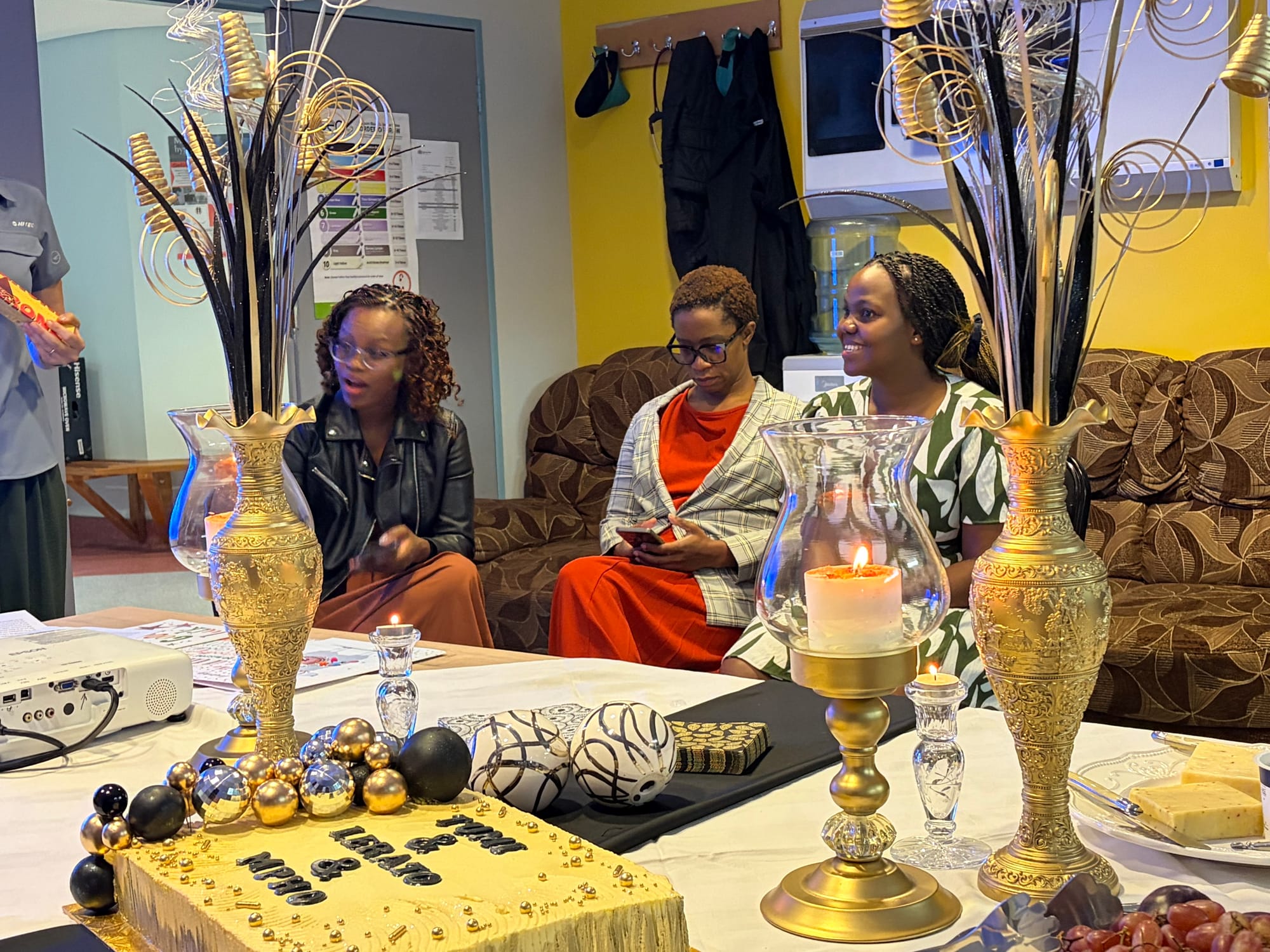
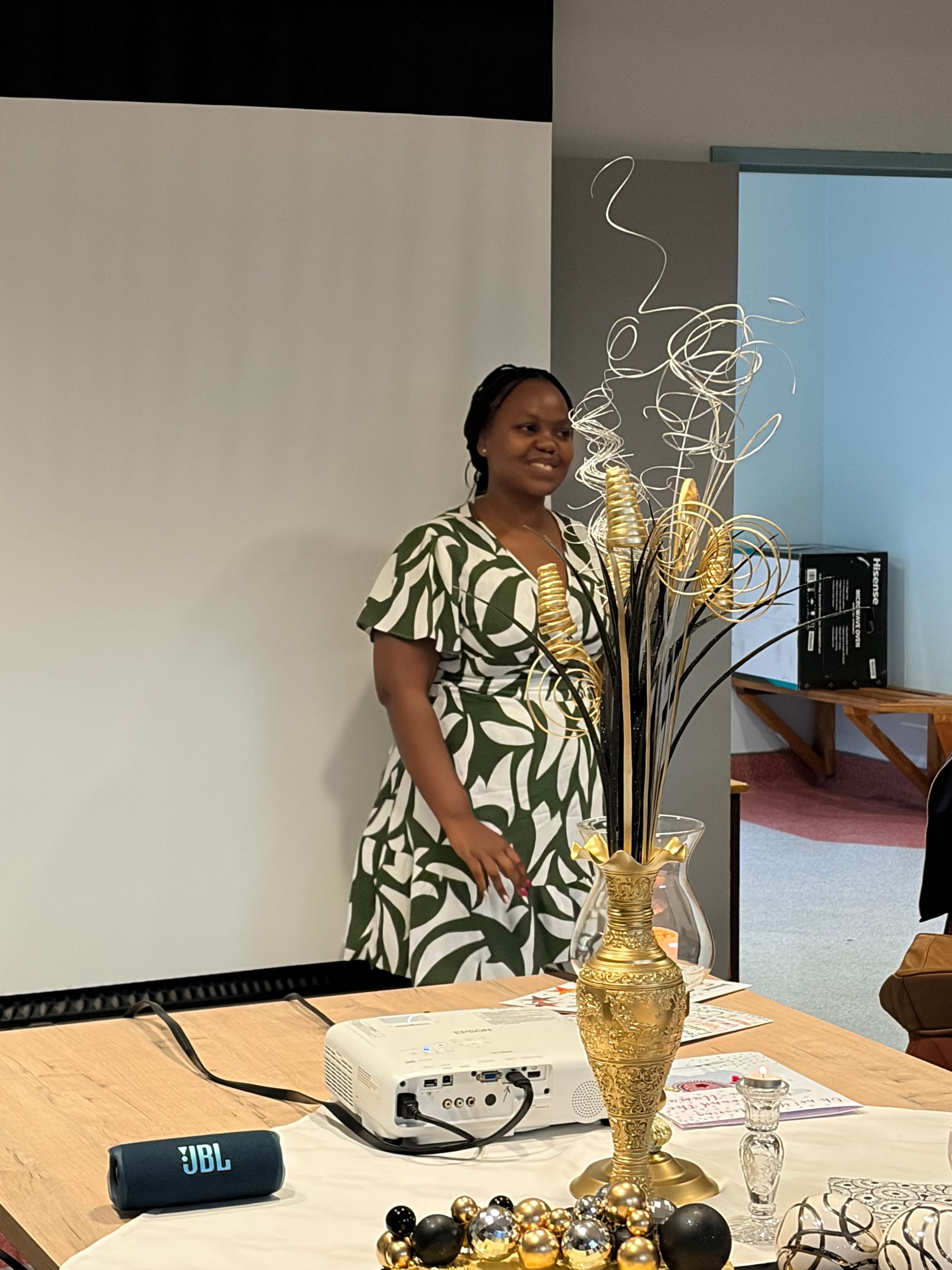
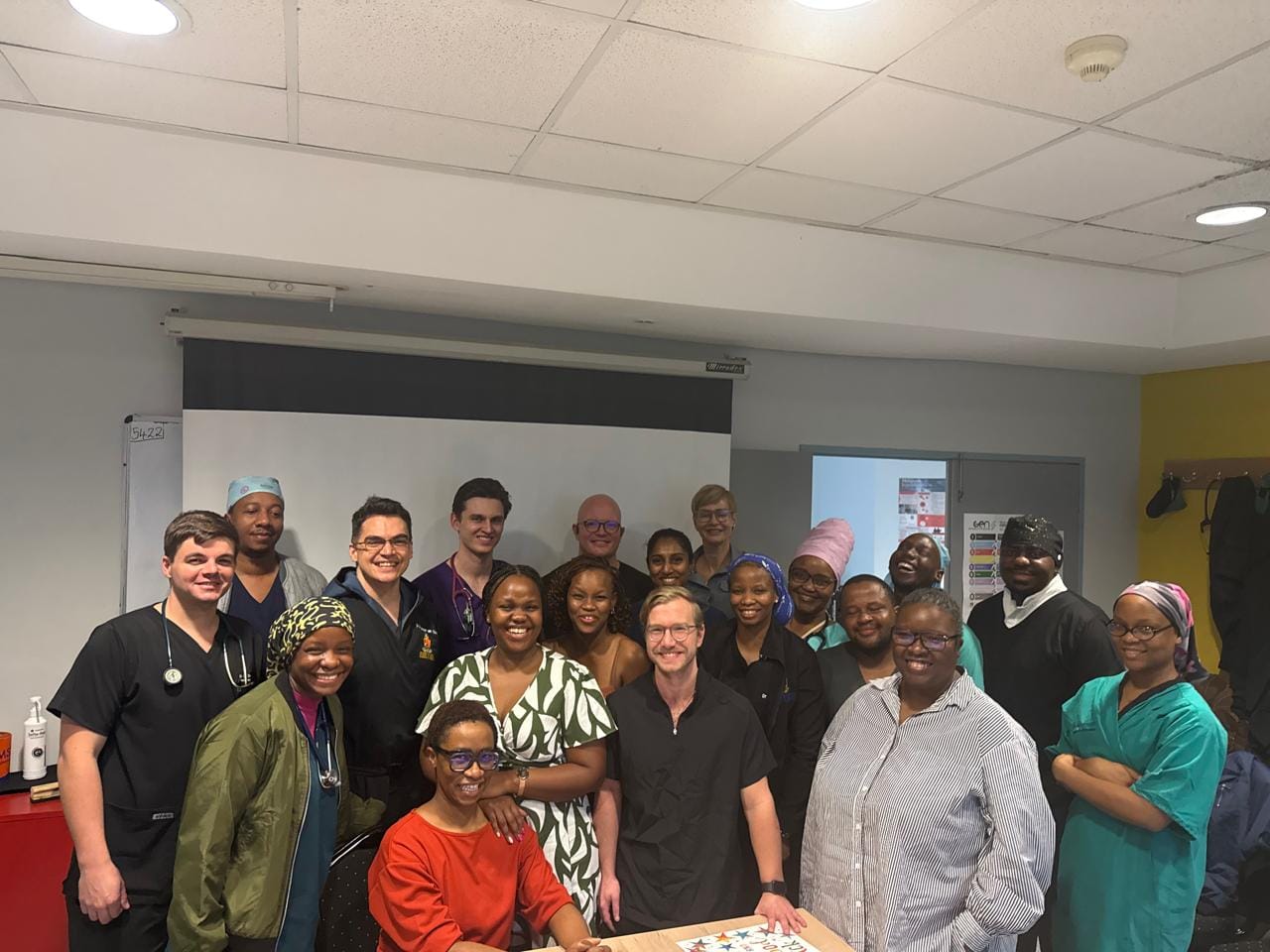
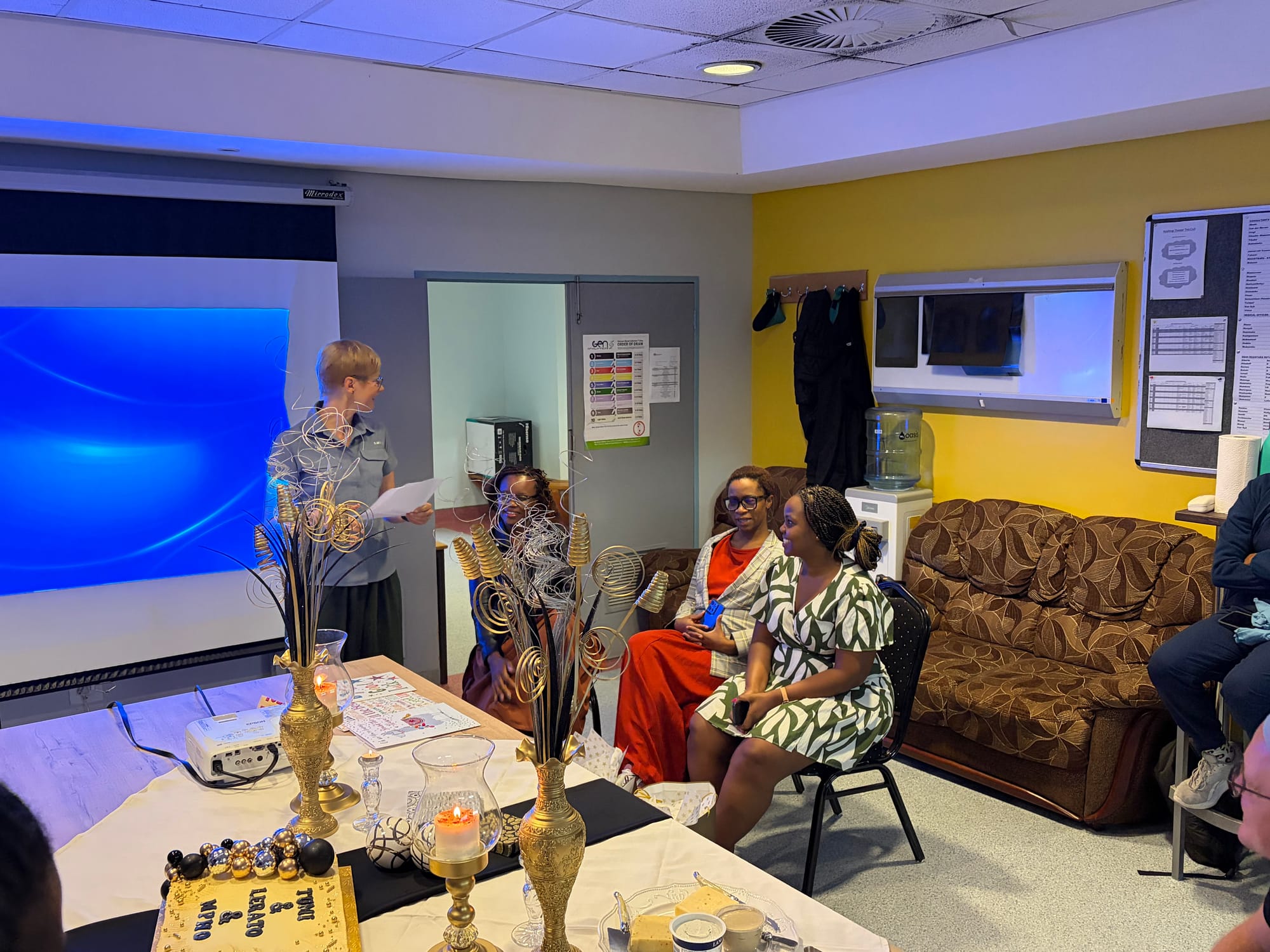
April Birthdays !
These are the birthdays we will be celebrating in our department but please if we left you out it’s because you are not on our calendar so add yourself.
1st April - Nongamso
21st April- C Naidoo
27th April- Onwukike
Happy birthday and many more to come !
Facts about Easter
🐣 1. Easter changes date every year
Unlike fixed holidays, Easter is a movable feast. It’s celebrated on the first Sunday after the first full moon following the spring equinox. That’s why it can fall anywhere between late March and late April.
✝️ 2. It celebrates the resurrection of Jesus Christ
Easter is the most important festival in Christianity, marking the belief that Jesus rose from the dead after his crucifixion.
🐰 3. The Easter Bunny has German roots
The idea of the Easter Bunny comes from German folklore, where a hare called “Osterhase” would lay eggs for children to find.
🥚 4. Eggs symbolize new life
Eggs are a long-standing symbol of rebirth and renewal—perfectly fitting the themes of spring and resurrection.
🍫 5. Chocolate eggs are a big business
Millions of chocolate eggs are sold worldwide each year. In fact, Easter is one of the biggest candy-selling holidays after Halloween.
🏃 6. The world’s largest Easter egg hunt is huge
One of the biggest recorded egg hunts took place in Florida, with over 500,000 eggs hidden for participants!
🌸 7. It’s tied to ancient spring festivals
Many Easter traditions have roots in pre-Christian celebrations of spring, fertility, and renewal.
⛪ 8. The week before is called Holy Week
This includes important days like Good Friday (commemorating the crucifixion) and ends with Easter Sunday.
🕊️ 9. Different countries celebrate differently
- In some places, people throw water on each other (like in Poland).
- In others, giant bonfires are lit or processions are held.
🥚 10. Egg decorating is an art
From simple dyed eggs to intricate designs like Ukrainian pysanky, decorating eggs is a global tradition.
World news
I thought it would be interesting to see what is happening in the current conflict that has gripped the world. It’s important to stay up to date with current events for those small talk conservations at 12 pm midnight or if you don’t want to sedate an old person, trust me a good conversation can work better than precedex.
🔥 Current situation (right now)
- The war between Iran vs the U.S. and Israel is still ongoing (about 5 weeks in).
- Heavy airstrikes continue on Iranian cities and infrastructure, including recent explosions in central Iran (Isfahan region).
- The U.S. says it is close to achieving its military objectives, but fighting has not stopped.
💣 Escalation & military actions
- The U.S. has threatened to expand attacks to major infrastructure like bridges and power plants.
- Iran is still launching missiles and drones across the region, showing it retains significant capability.
- There are conflicting claims about major incidents (e.g., Iran claiming it shot down a U.S. jet, which the U.S. denies).
🌍 Regional impact
- The conflict is spreading beyond Iran:
- Strikes and tensions affecting Gulf countries like Kuwait, Saudi Arabia, and the UAE.
- The Strait of Hormuz (a key oil route) has been disrupted, affecting global trade and oil supply.
- More than 40 countries are now involved diplomatically or militarily to secure shipping routes.
⚠️ Humanitarian crisis
- The situation inside Iran is worsening:
- 1,900+ people reported dead and over 21,000 injured.
- Hospitals are overwhelmed, with shortages of medical supplies.
- Power outages and safety concerns are making aid delivery difficult.
📉 Global consequences
- Oil prices have surged sharply due to supply fears.
- The war is causing economic instability and political tension worldwide.
- There are also international legal concerns about possible war crimes.
🧭 Big picture
- The war started on 28 February 2026 with massive U.S.–Israeli strikes on Iran.
- Iran responded with regional missile and drone attacks, turning it into a broader Middle East conflict.
- Despite heavy damage, Iran still has military capability and continues to fight.
🧠 Bottom line
- The war is intense and expanding, not over yet.
- Both sides are still striking each other, despite claims of nearing completion.
- The risk of a wider regional war remains high, especially around oil routes and neighboring countries.
But how does this affect South Africa ?
⛽ 1. Fuel prices will likely rise
South Africa imports most of its oil, and a lot of global supply passes through the Strait of Hormuz.
- Disruptions there → higher global oil prices
- Higher oil prices → more expensive petrol and diesel locally
- This can quickly raise transport and food costs
👉 Expect pressure on your monthly budget if the war continues.
📈 2. Inflation & cost of living
When fuel prices go up, it affects almost everything:
- Food becomes more expensive (transport + farming costs)
- Electricity costs may increase
- Imported goods get pricier
This can push up inflation, making everyday life more expensive across the country.
💱 3. Rand volatility
The South African rand is sensitive to global uncertainty.
- Wars typically make investors move money to “safer” countries
- This weakens emerging-market currencies like the rand
👉 A weaker rand = more expensive imports, including fuel and electronics.
📊 4. Economic growth could slow
South Africa’s economy is already fragile.
- Higher costs + weaker currency = reduced consumer spending
- Businesses face higher operating costs
- Investment may drop due to global uncertainty
All of this can slow economic growth or even risk a downturn.
🚢 5. Trade disruptions
South Africa relies heavily on global shipping routes.
- If Middle East tensions disrupt shipping lanes, deliveries of goods may be delayed
- Export markets could also be affected if global demand drops
🌍 6. Political & diplomatic impact
South Africa has historically had ties with countries in the Middle East.
- The government may face pressure to take a diplomatic stance
- This could affect international relations, especially with Western countries
📉 7. Possible positives (limited)
There are a few small upsides:
- Higher commodity prices (like gold or coal) can benefit South African exports
- Investors sometimes buy gold during wars, which helps local mining companies
🧠 Bottom line
Even though the war is far away:
- Fuel prices → likely to rise
- Cost of living → increases
- Rand → may weaken
- Economy → faces more pressure
👉 The biggest everyday impact for most people in South Africa will be higher prices for fuel and food.
Guys have a good April
Until next time


